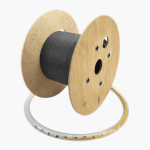
What is a pre-terminated fibre cable?
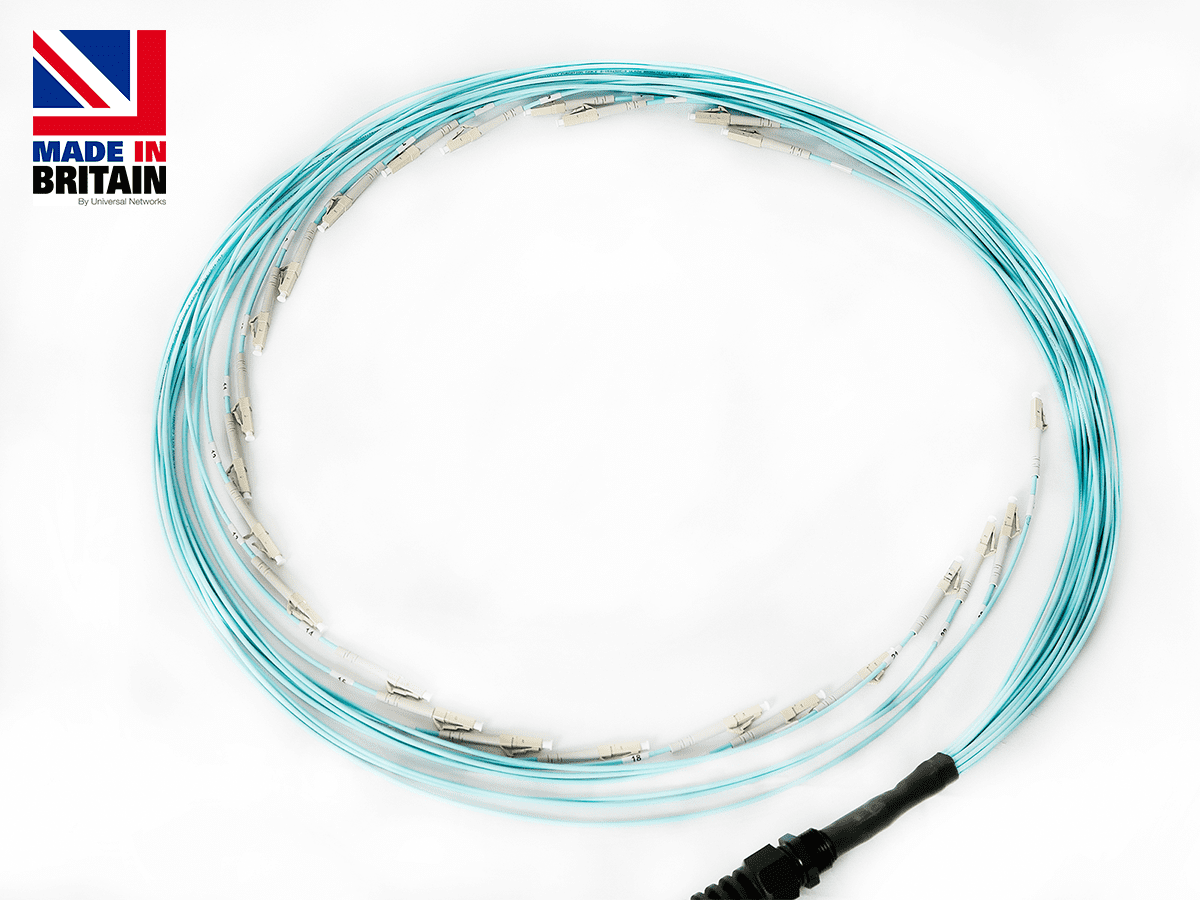
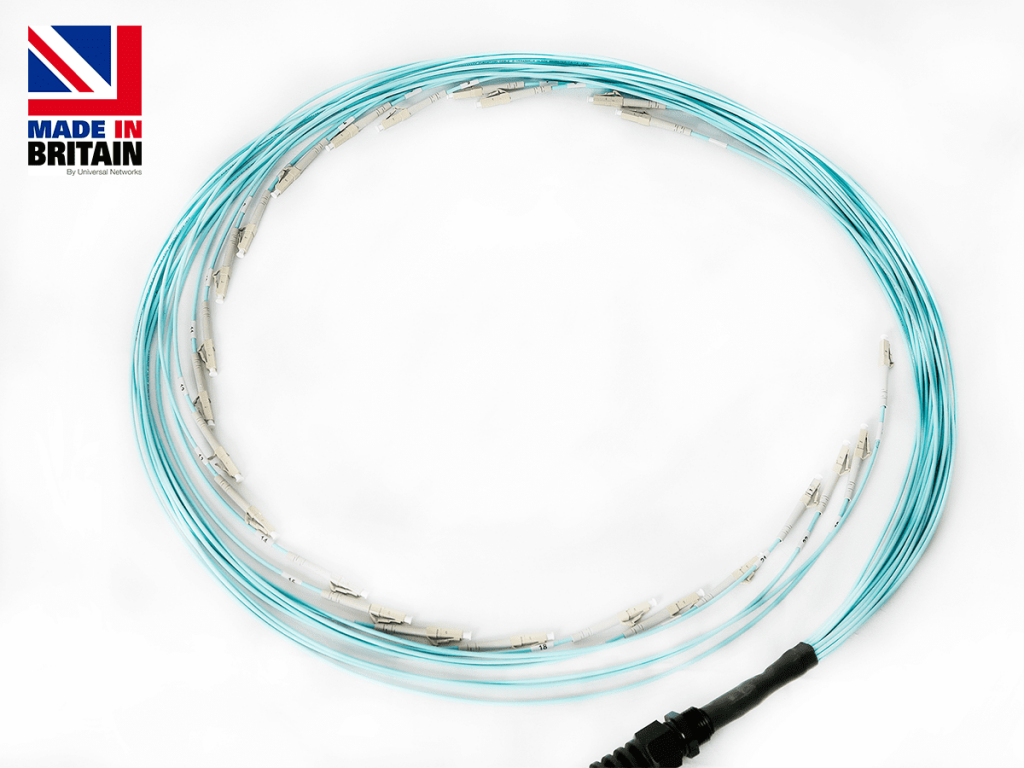
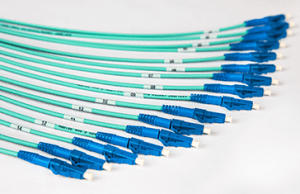
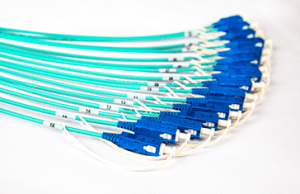
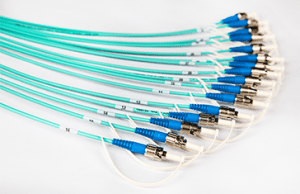
A pre-terminated fibre cable is a fibre optic cable assembly supplied with the connectors already fitted, polished and factory tested before delivery. It arrives ready to install, so the cable can be routed and connected on site without field termination, fusion splicing or on-site polishing.
Pre-terminated fibre is commonly used where fast, reliable installation is important, including data centres, communications rooms, building backbones, campus networks and commercial installations. Because the connectors are fitted and tested in a controlled factory environment, it helps reduce installation time, minimise on-site errors and improve consistency.
How does a pre-terminated fibre cable work?
A pre-terminated fibre cable is manufactured to the required length and specification before delivery. The fibre connectors are fitted, polished and optically tested in the factory, so the finished assembly arrives ready to install.
On site, the installer routes the cable through the building, duct or containment, protects the pre-fitted connectors during pulling, and connects the cable to compatible patch panels, fibre enclosures, switches or transceivers. This removes the need for fusion splicing, field termination or on-site polishing, helping to make installation faster and more consistent.
What are the advantages of pre-terminated fibre?
The main advantages of pre-terminated fibre are faster installation, improved consistency, reduced labour time and lower risk of on-site termination errors. Because the connectors are fitted, polished and optically tested in the factory, the cable arrives ready to install and connect.
Pre-terminated fibre also removes the need for fusion splicing, specialist termination equipment and on-site polishing. This makes it particularly useful for data centres, communications rooms, building backbones, campus networks and commercial installations where reliable connectivity and fast deployment are important.
Is pre-terminated fibre better than field-terminated fibre?
Pre-terminated fibre is often the better choice when speed, consistency and reduced installation time are important. Because the connectors are fitted, polished and optically tested in the factory, the cable arrives ready to install and connect, reducing the need for specialist termination work on site.
Field-terminated fibre can still be useful where cable routes are uncertain, final lengths cannot be confirmed in advance, or changes need to be made during installation. It requires specialist tools, skilled labour and more time on site, but may offer greater flexibility for complex or changing routes.
How do I choose the right pre-terminated fibre cable?
Choosing the right pre-terminated fibre cable depends on the installation environment, transmission distance, required data rate, fibre count, connector type and the level of physical protection needed.
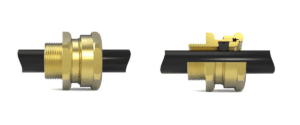
For indoor routes, communications rooms and building backbones, Tight Buffered cable is usually the best option. For outdoor duct routes or mixed indoor/outdoor installations, Loose Tube cable is more suitable because it offers greater moisture resistance. For direct burial, exposed routes, industrial areas or locations where crushing, impact or rodent damage may be a risk, an armoured cable such as CSTA or SWA should normally be selected.
You should also choose the fibre type and connector type to match your network equipment. OS2 singlemode is typically used for longer-distance links, while OM3 or OM4 multimode is commonly used for shorter-distance high-speed networks. LC is usually the preferred connector for new installations, but the final choice should match the ports on your patch panels, switches, transceivers or existing equipment.
What applications are pre-terminated fibre cables suitable for?
Pre-terminated fibre cables are suitable for internal building backbones, cabinet-to-cabinet links, data centres, communications rooms, campus networks, CCTV systems, external duct routes, building-to-building links and industrial infrastructure projects.
They are particularly useful where installation time is limited, on-site fibre termination is impractical, or consistent factory-tested performance is required. The most suitable cable construction will depend on whether the route is internal, external, ducted, directly buried or mechanically exposed.
Should I choose singlemode (OS2) or multimode (OM3/OM4)?
Singlemode OS2 is usually the best choice for long-distance links, campus networks, external routes and telecoms infrastructure. It has a smaller fibre core than multimode fibre, allowing signals to travel further with lower attenuation, making it suitable for longer reach and future high-speed upgrades.
Multimode OM3 and OM4 are typically used for shorter-distance links within buildings, data centres, communications rooms and local network environments. OM4 has a higher modal bandwidth than OM3, which means it can support higher-speed links over longer distances, while OM3 remains suitable for many shorter multimode applications.
If you are unsure, choose the fibre type that matches your existing equipment, required data rate and link distance. For new installations where future flexibility is important, OS2 is often preferred for longer external or backbone links, while OM4 is commonly selected for high-speed internal multimode networks.
For detailed transmission distances by fibre type and network speed, please refer to our fibre distance guide or contact our technical team for support.
What is the difference between OM3, OM4 and OS2 fibre?
OM3 and OM4 are multimode fibre types used for shorter-distance, high-speed links, typically within data centres, communications rooms and commercial buildings. OM4 has a higher modal bandwidth than OM3, so it can usually support higher-speed links over longer distances. OM3 remains suitable for many shorter multimode applications, depending on the required data rate and equipment specification.
OS2 is singlemode fibre used for longer-distance links, campus networks, external routes and telecoms infrastructure. It has a smaller fibre core than OM3 and OM4, allowing light to travel further with lower signal loss. OS2 is often selected for backbone links and installations where longer reach or future upgrade flexibility is important.
Which connector type should I choose: LC, SC or ST?
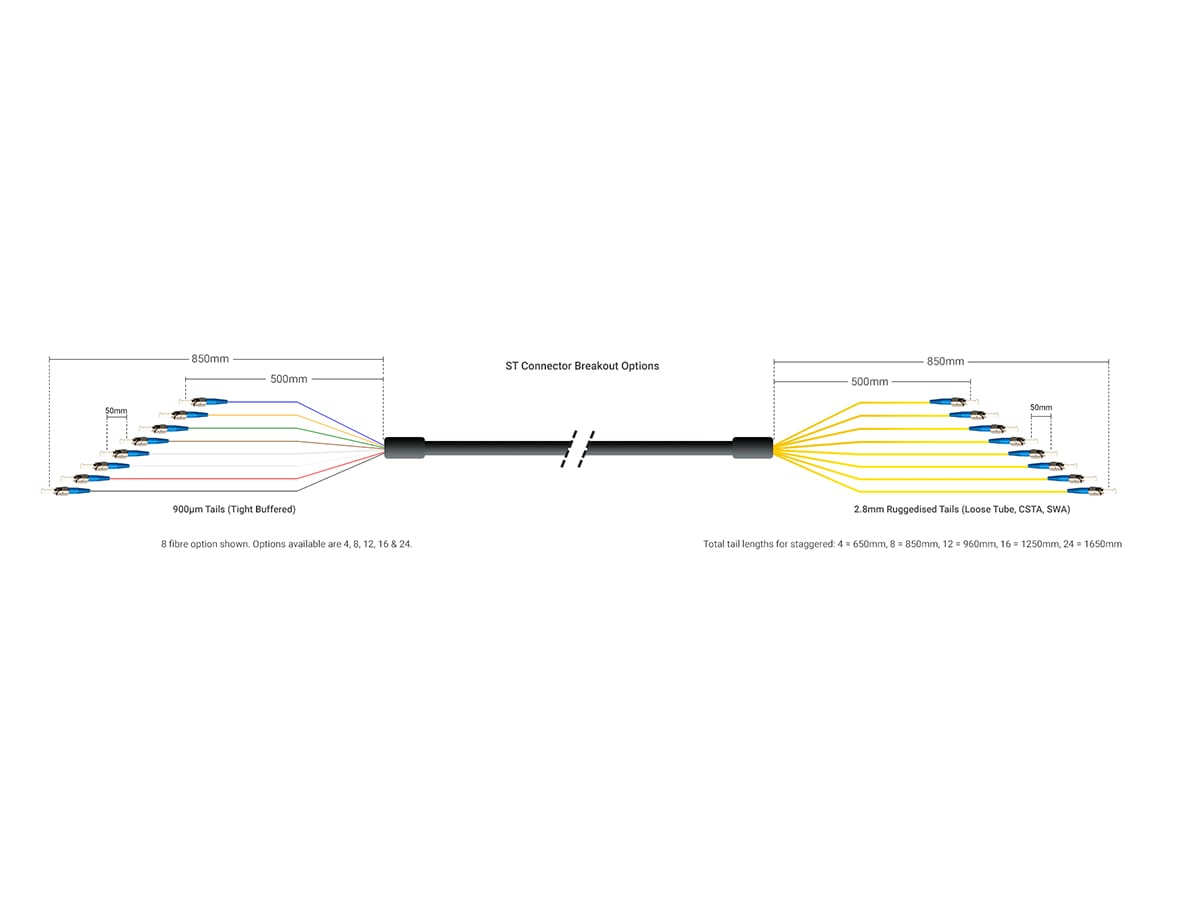
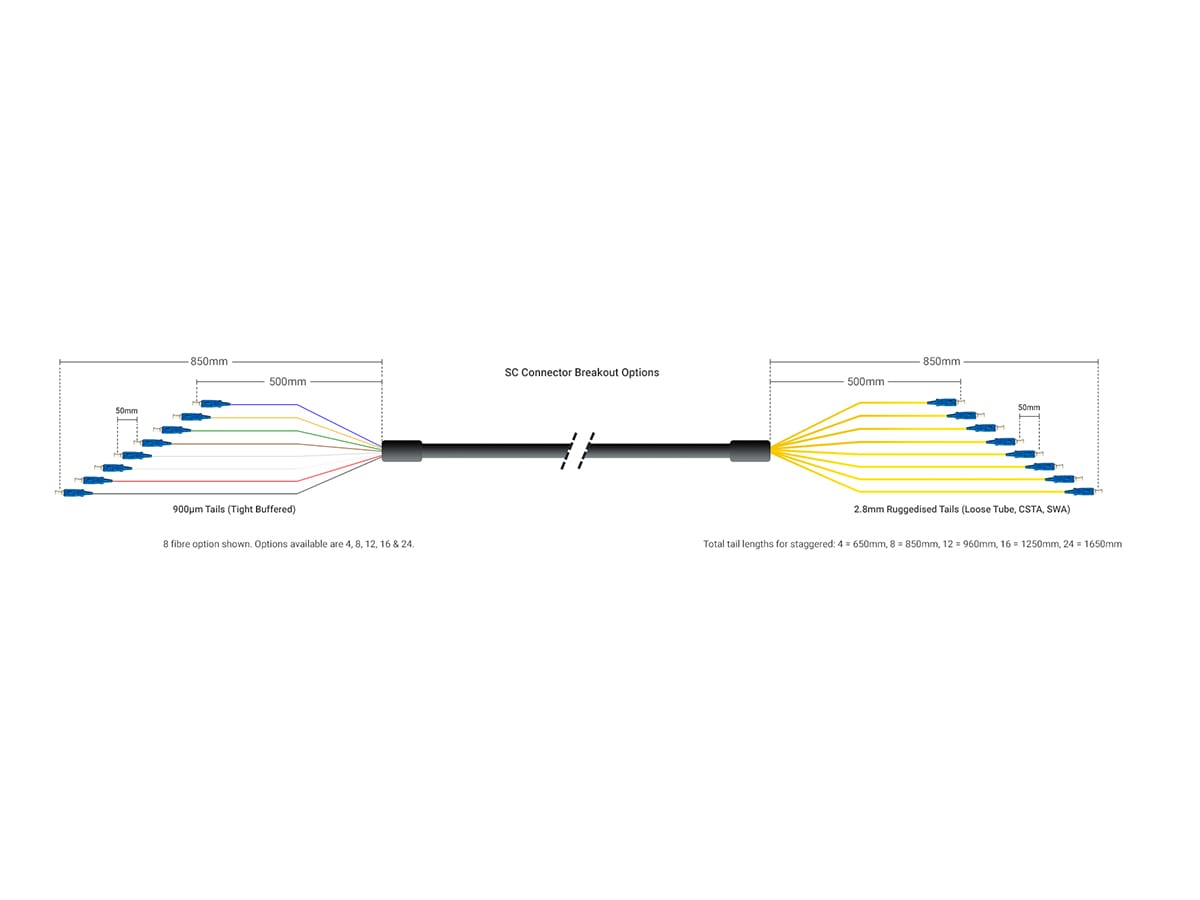
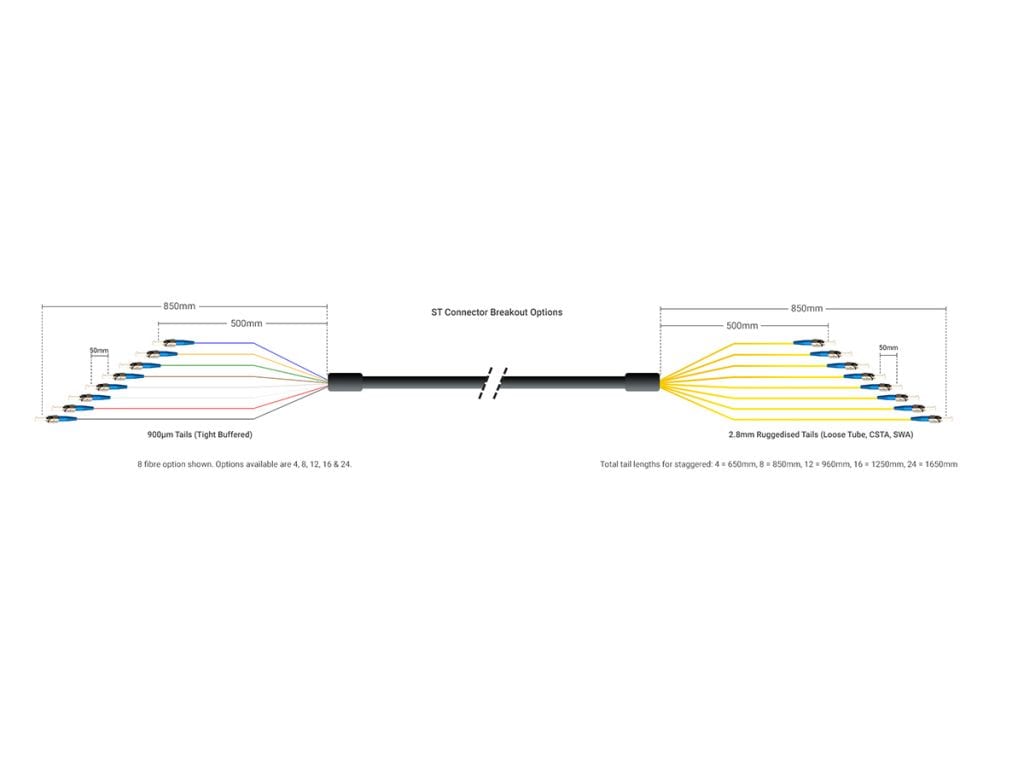
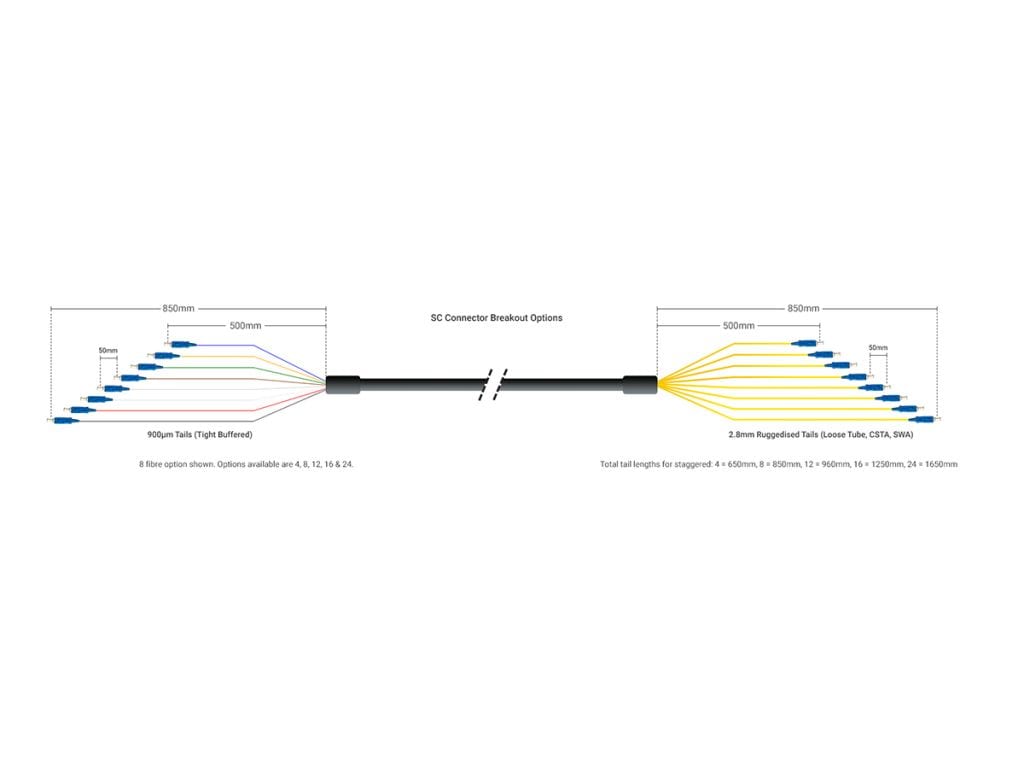
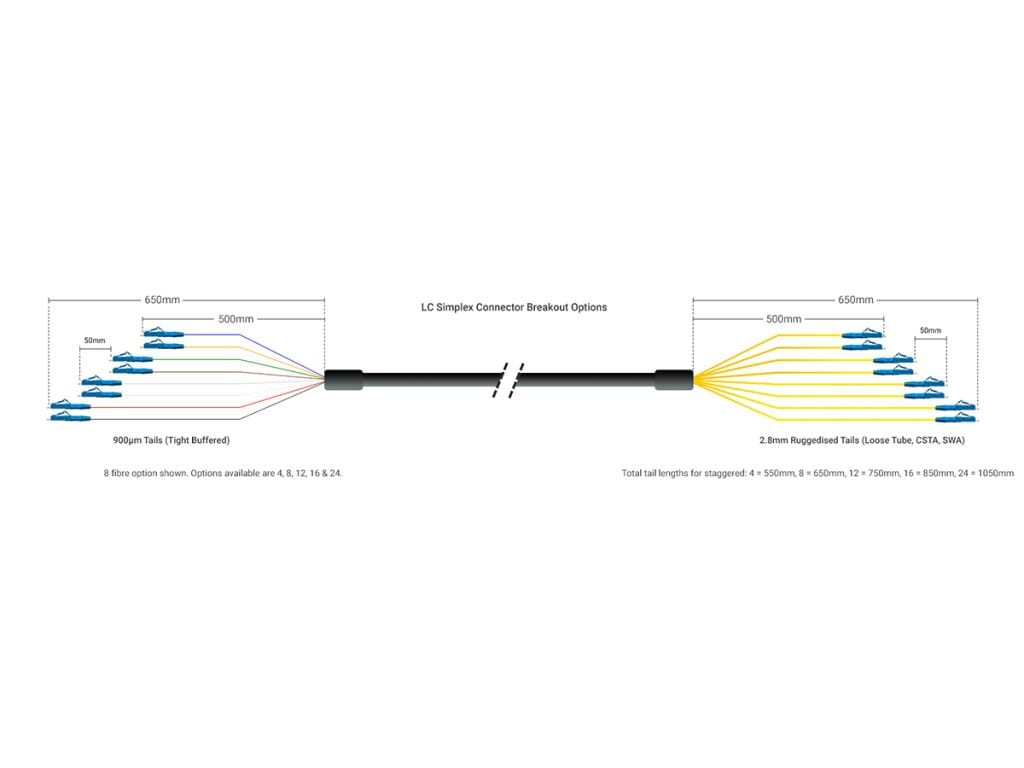
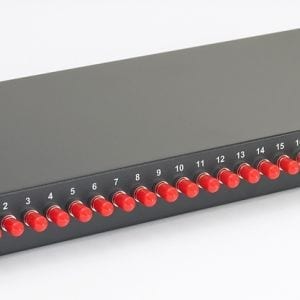
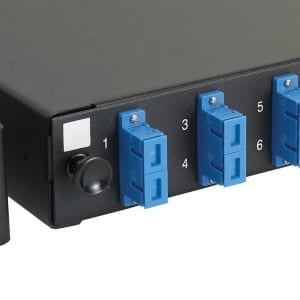
LC connectors are the most commonly selected option for modern networks, particularly where high port density is required, such as data centres, cabinets and patch panels. SC connectors are a larger push-pull connector still used on some existing equipment, telecoms infrastructure and legacy installations. ST connectors are an older bayonet-style connector, mainly used where older equipment or installed infrastructure already requires it.
The correct connector choice should match the ports on your existing network equipment, patch panels or transceivers. If you are unsure, LC is usually the preferred option for new installations, but compatibility with the equipment being connected should always be confirmed first.
Can pre-terminated fibre cables be supplied with different connectors at each end?
Yes. Pre-terminated fibre cables can be supplied with different connector types at each end where required, such as LC at one end and SC at the other. This can be useful when connecting between different patch panels, transceivers, enclosures or existing network equipment.
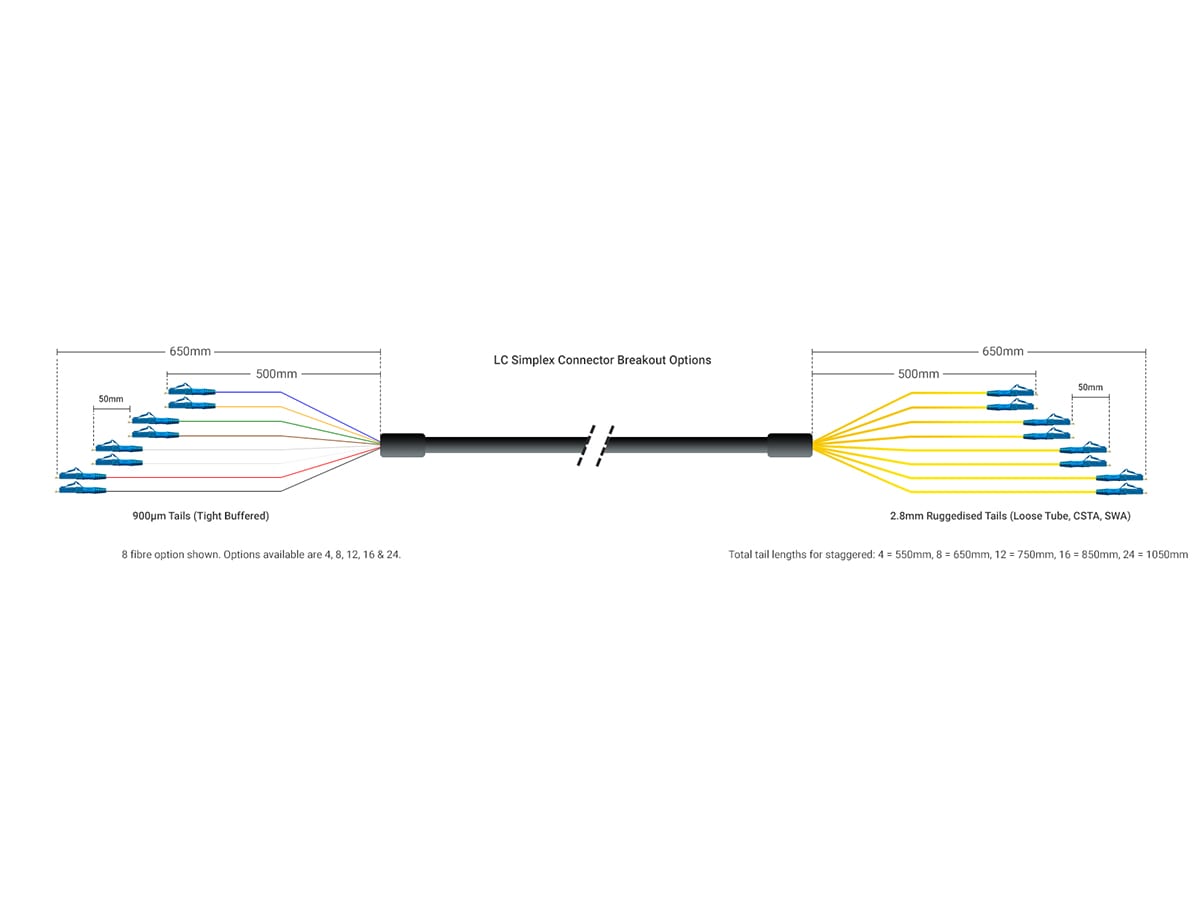
Custom breakout arrangements, tail lengths and connector combinations may also be available depending on the cable construction and fibre count. For non-standard requirements, please contact our Sales team so the specification can be checked before manufacture.
What is the difference between Tight Buffered and Loose Tube fibre?
Tight Buffered fibre has a 900µm buffer around each individual fibre, which makes it well suited to indoor installations, communications rooms, cabinet-to-cabinet links and building backbones. It is flexible and easy to route internally, but the exposed tails should normally be housed in a fibre panel or distribution box for protection.
Loose Tube fibre houses the fibres within protective tubes, giving it greater moisture resistance and making it more suitable for outdoor duct routes and mixed indoor/outdoor installations. It is usually supplied with more robust 2mm ruggedised tails, which provide better protection at the terminated ends than 900µm tails.
What is the difference between CSTA and SWA cable?
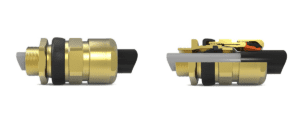
CSTA (Corrugated Steel Tape Armoured) cable uses steel tape armour to provide strong mechanical protection, crush resistance and rodent resistance. It is suitable for direct burial, underground duct routes and demanding outdoor installations where a compact armoured cable is required.
SWA (Steel Wire Armoured) cable uses steel wire armour to provide the highest level of mechanical protection in the range. It is heavier than CSTA but offers greater flexibility, making it suitable for direct burial, industrial environments, infrastructure projects and high-risk installations.
Can pre-terminated fibre cables be used outdoors?
Yes. Pre-terminated fibre cables can be used outdoors when the correct cable construction is selected for the installation environment. Loose Tube cable is suitable for outdoor duct routes and mixed indoor/outdoor installations, while CSTA and SWA armoured cables provide additional mechanical protection for more demanding environments.
For direct burial, exposed routes or areas where rodent damage, crushing or impact may be a risk, an armoured option such as CSTA or SWA should normally be selected. Tight Buffered cable is primarily intended for indoor use, although it may be suitable outdoors when installed in protective ducting and where flooding is not a concern.
Can pre-terminated fibre cables be buried directly underground?
Yes, but only armoured cable constructions such as CSTA or SWA should be used for direct burial. These cables include additional mechanical protection to help resist crushing, ground pressure, moisture and rodent damage.
Standard Tight Buffered and Loose Tube cables should not be buried directly in the ground. Loose Tube cable may be suitable for underground duct routes where the duct provides appropriate protection, but for direct burial, exposed ground routes or areas with a risk of impact or rodent damage, an armoured CSTA or SWA cable should normally be selected.
Can I order custom lengths and configurations?
Yes. Pre-terminated fibre cables can be manufactured to custom lengths and configurations to suit your installation. The online configurator supports 4–24 fibre assemblies with a choice of cable construction, fibre grade, connector type and length.
For larger or more complex requirements, higher fibre count assemblies can also be manufactured to order, typically including 48, 72, 96 or 144 fibres. These are handled as enquiry-based specifications so our team can confirm the cable construction, connector breakout, installation requirements and quotation details before manufacture.
Can I order pre-terminated fibre cables with more than 24 fibres?
Yes. Our online configurator supports 4–24 fibre pre-terminated assemblies. For larger projects, we can also manufacture higher fibre count assemblies, typically 48, 72, 96 or 144 fibres, to order. Typically, these are using high density MTP connectors, but LC is also an option. These are handled as enquiry-based specifications so our team can confirm cable construction, connector breakout, installation requirements and quotation details.
What is the typical lead time for pre-terminated fibre cables?
Pre-terminated fibre cables are typically manufactured in around one week, depending on the specification, quantity and current production workload. More complex assemblies, higher fibre counts, non-standard connector arrangements or armoured constructions may require additional time.
If you are working to a fixed installation date, please check the expected lead time before ordering so manufacture, testing and delivery can be planned around your project schedule.
Are all pre-terminated fibre cables factory tested before dispatch?
Yes. All pre-terminated fibre cables are factory terminated and optically tested before dispatch to confirm continuity, polarity and insertion loss performance. This helps ensure each assembly is ready to install and reduces the risk of avoidable faults during commissioning.
Test results are retained on file and can be supplied on request. If required, they can also be sent with the cable assemblies at the time of dispatch.
Will the pre-terminated fibre cables be supplied with test results?
Yes. Test results are retained on file for each pre-terminated fibre cable and can be supplied by email on request. If preferred, test results can also be included with the cable assemblies at the time of dispatch.
Each assembly is factory tested before dispatch, with results used to confirm optical performance before the cable is supplied.
Do pre-terminated fibre cables need specialist installation tools?
No. Pre-terminated fibre cables do not require specialist fibre termination tools, fusion splicing equipment or on-site polishing, because the connectors are already fitted and factory tested before delivery.
However, they should still be installed carefully using suitable cable installation equipment and good practice. The pre-fitted connectors must be protected during pulling, and the cable should not be bent beyond its minimum bend radius or subjected to excessive pulling force or strain.
How are the tails and connectors protected?
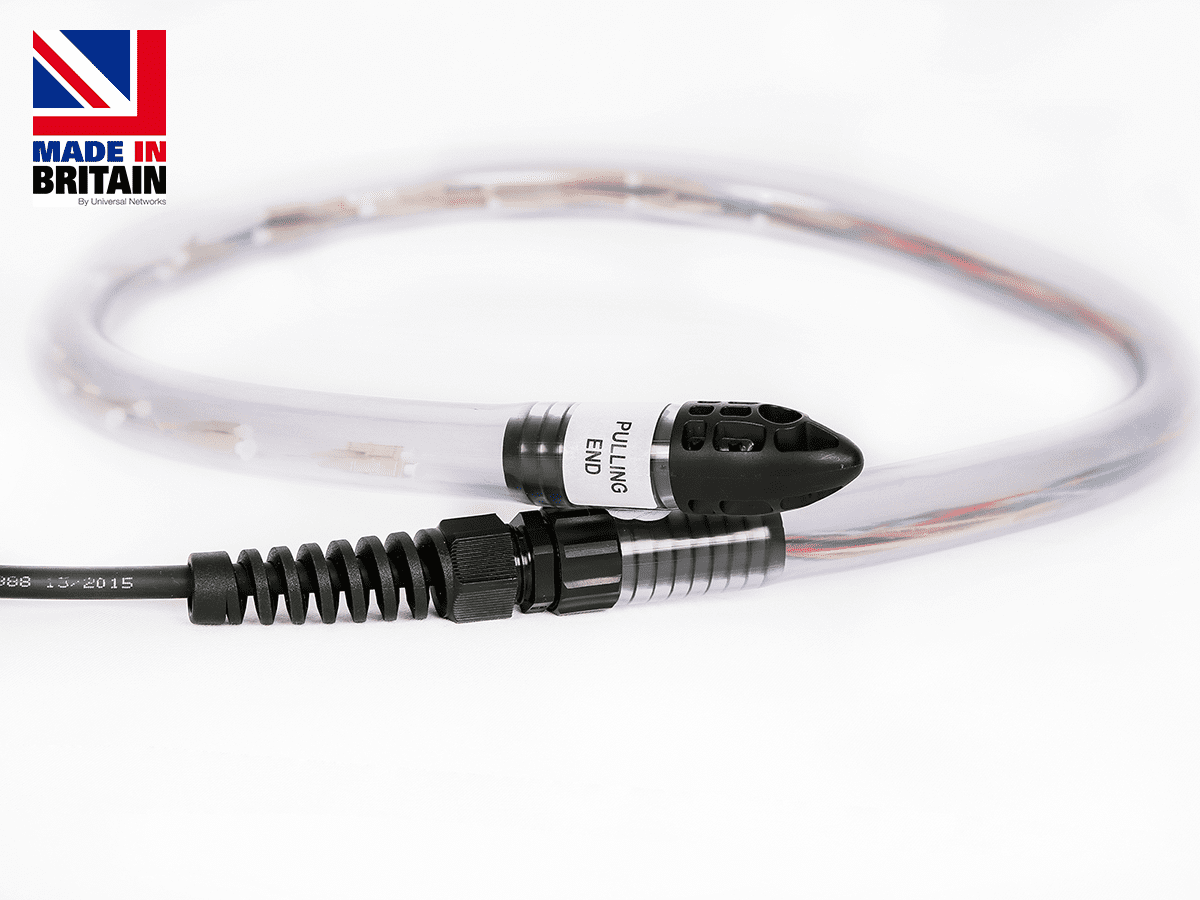
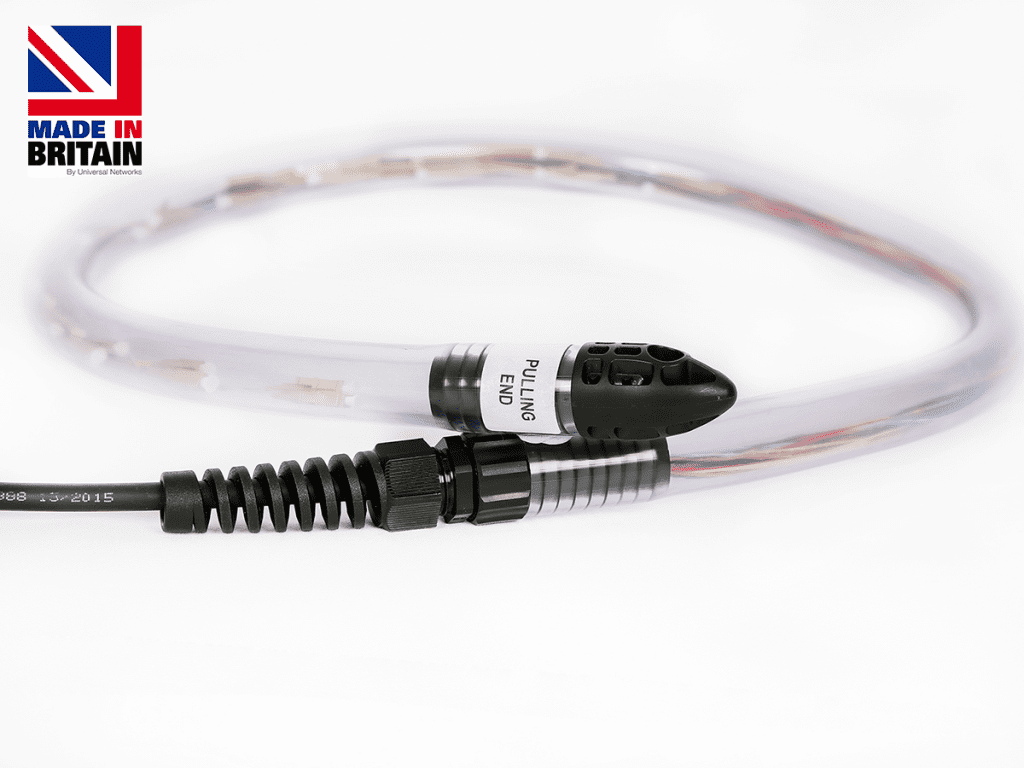
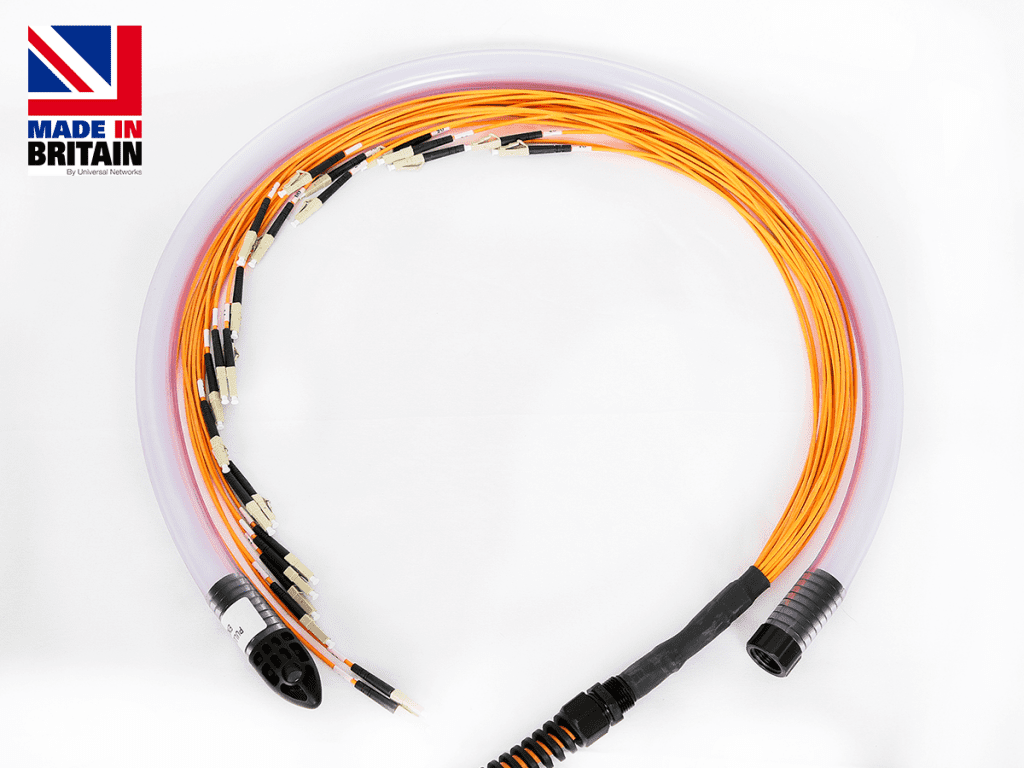
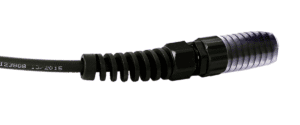
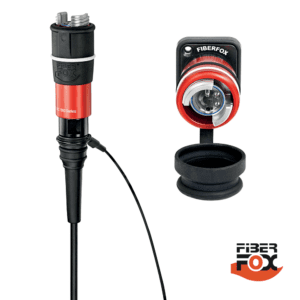
The terminated ends of a pre-terminated fibre cable are protected during installation by a removable protective tube. This helps shield the connector tails from impact, dirt, bending and pulling strain while the cable is being routed through ducting, containment or building pathways.
The protective tube assembly includes a pulling eye for attaching a draw cord, and a cable gland with a threaded nut that can be used to secure the cable into a suitable enclosure, panel, cabinet or item of containment after installation.
How do I measure for a pre-terminated fibre cable?
Measure the full cable route, not just the straight-line distance between the two end points. Allow for the actual pathway through ducting, containment, risers, cabinets, trays and any changes in direction, including bends and entry points.
It is also good practice to allow a sensible amount of spare length for cabinet entry, routing inside panels, dressing the cable neatly and future maintenance. If the route is uncertain, it is better to confirm the final pathway before ordering, as pre-terminated fibre assemblies are manufactured to length and cannot normally be shortened on site without specialist rework.
How do I pull the cables through ducting?
Pre-terminated fibre cables should be pulled using the pulling eye fitted to the removable protective tube, not by pulling directly on the connector tails. The pulling eye can be attached to a draw cord or suitable pulling rope so the cable can be guided through ducting, containment or building routes while the connectors remain protected.
Before installation, check that the duct route is clear, dry where possible, and free from sharp edges, debris or obstructions. Pull the cable steadily and avoid sudden snatching, twisting or excessive force. The cable should also be kept within its minimum bend radius throughout the route, especially at duct entries, bends, chambers and cabinet entry points.
For long, armoured, congested or convoluted routes, additional installation equipment such as cable pulling socks or grips may be required to support the cable properly and reduce strain on the protective tube assembly.
How much pull force can I apply to a pre-terminated fibre cable?
The removable protective tube and pulling eye assembly is rated to 400 N. This allows the pre-terminated cable to be pulled through suitable ducting or containment while helping to protect the connector tails during installation.
For long routes, armoured cables, congested ducts, multiple bends or difficult pulls, additional installation aids such as cable pulling socks or grips may be required to support the cable properly and reduce strain on the protective tube assembly. The cable should be pulled steadily, without snatching or twisting, and must always be kept within its minimum bend radius.
Do not pull directly on the connector tails. If the route is likely to require more than the rated pulling force, the installation method should be reviewed before pulling the cable.
Can pre-terminated fibre cables be repaired if damaged?
It depends on the type and location of the damage. Damage to connector tails, fan-out legs or individual connectors may sometimes be repairable by re-termination or specialist rework, depending on the cable construction and how much usable fibre length remains.
If the main cable sheath, armour, loose tube or fibre cores are damaged, the assembly may need to be assessed before it can be repaired or reused. Do not continue installing or commissioning a damaged cable without checking it first, as damage can affect optical performance, moisture protection and long-term reliability.
For support with damaged fibre assemblies, our Servicing and Repairs service can assess your cable and advise on the most suitable repair options.
What are my delivery options?
Pre-terminated fibre cables are manufactured to your specific order requirements, including cable construction, fibre type, length and connector configuration. Delivery times vary depending on the cable specification and order quantity. If you have an urgent project or specific delivery requirement, please contact our team and we can advise on the expected lead time.
Mainland UK
FREE UK delivery is available on orders over £200. Standard delivery charges apply to orders below £200.
International (Non-Mainland UK)
For deliveries outside of the UK Mainland, including international destinations, our team will confirm the delivery cost and total order value before processing your order. We will then arrange the required payment and shipping details directly with you.
Small Order Handling Charge
For orders under £100, a £10 handling charge will be added to the basket in addition to the delivery charge.
For further information, please visit our Delivery FAQ or Delivery Information pages.